
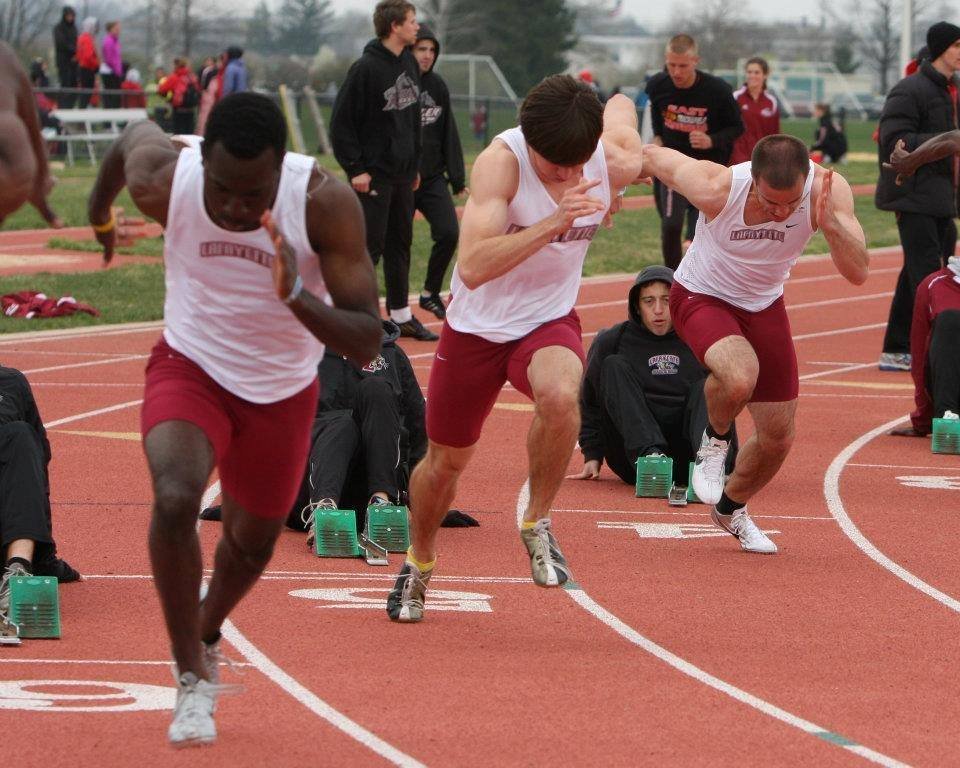
How to get Recruited for College Track and Field

The SEC Indoor MEET showcased why the conference dominates NCAA track and field, with Olympians and top-tier recruits battling for titles. Despite attracting the nation’s fastest high school athletes, freshmen struggle to make an immediate impact in this ultra-competitive environment.
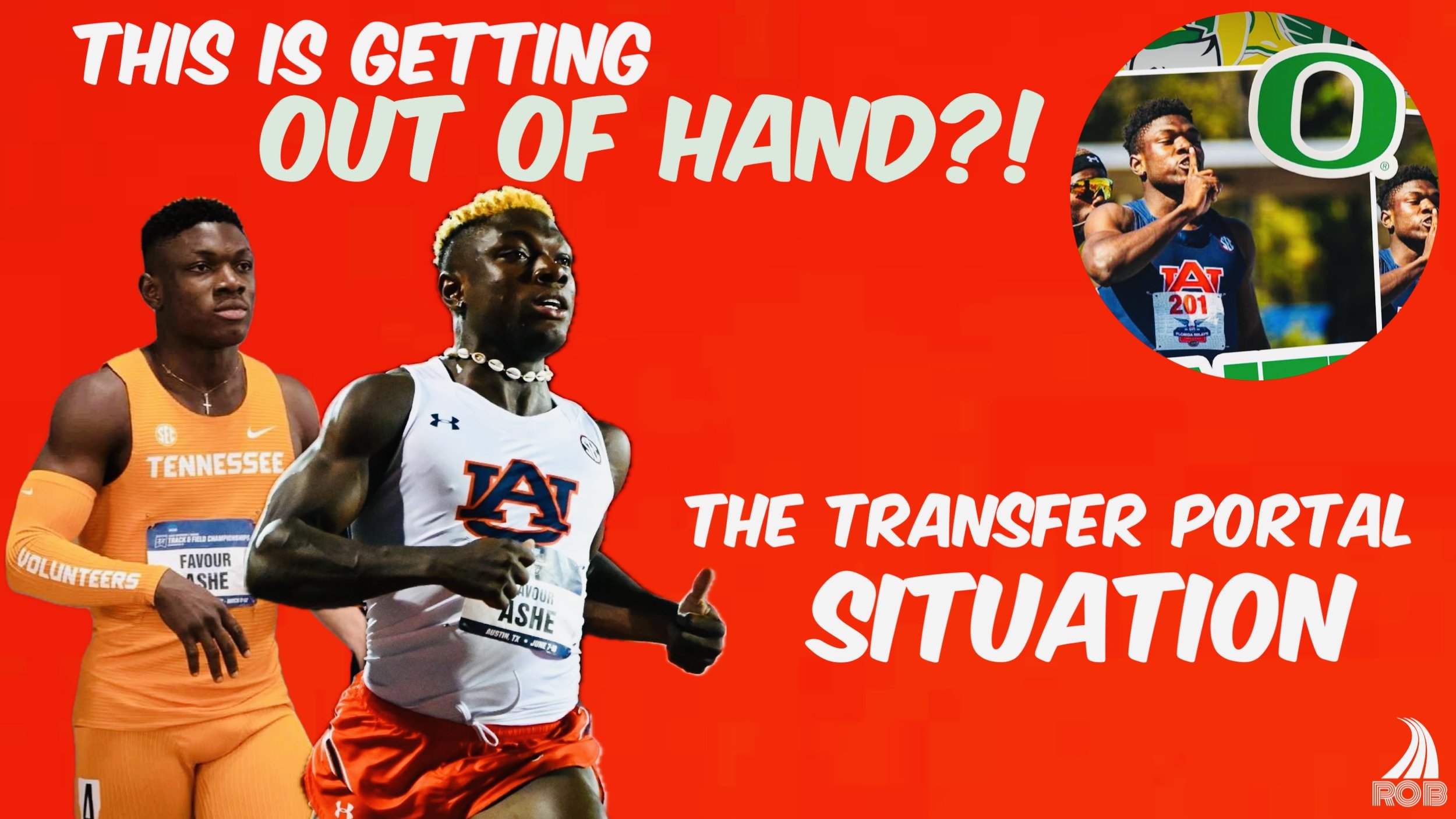
The NCAA transfer portal and new eligibility rules are reshaping college track and field, making it harder for high school athletes to secure Division I scholarships. With coaches increasingly incentivized to pursue transfers, high school aged recruits will have to work even harder to stand out.

Most recruits overlook smaller Division I track and field programs. However, elite talent and top-tier coaching exist across all Division I conferences, with smaller programs often excelling in developing athletes. Recruits should consider a broader range of schools to find the best fit for their growth and competitive success.

The top college track and field programs are seeking elite athletes who can compete on a global level. To get recruited in Division I, especially in Power conferences, athletes must perform in national high school championships, rank on leaderboards, and compete against both U.S. and international talent.

Track and field recruiting has had a big problem for years. There were no legitimate recruit rankings to use. As a result recruits were easily taken advantage of in the process.

The truth without photoshop is that track and field recruiting is entirely broken. But there is a solution to get you more D1 college offers, because you can still manipulate the game to your advantage.

The politics of recruiting don’t actually matter, even if you want to go D1. Because you can still get recruited by a coach who really wants you on their team if you want to using these tips.

You should not ignore D3 track and field! Because the athletes at that level are way better than you think. If you are serious about getting recruited for track and field, Division 3 might be the best place for you to do it.

The truth about track and field at the college level is that if you don’t make the finals, you might as well have never showed up to the meet in the first place. That is why coaches recruit athletes who prove they can do it.

in order to get recruited Division 1 in track and field, you have to be talented enough to do it. However, it also never occurs to anyone that it might not be at all how you thought it would be.
The Truth about College Track and Field
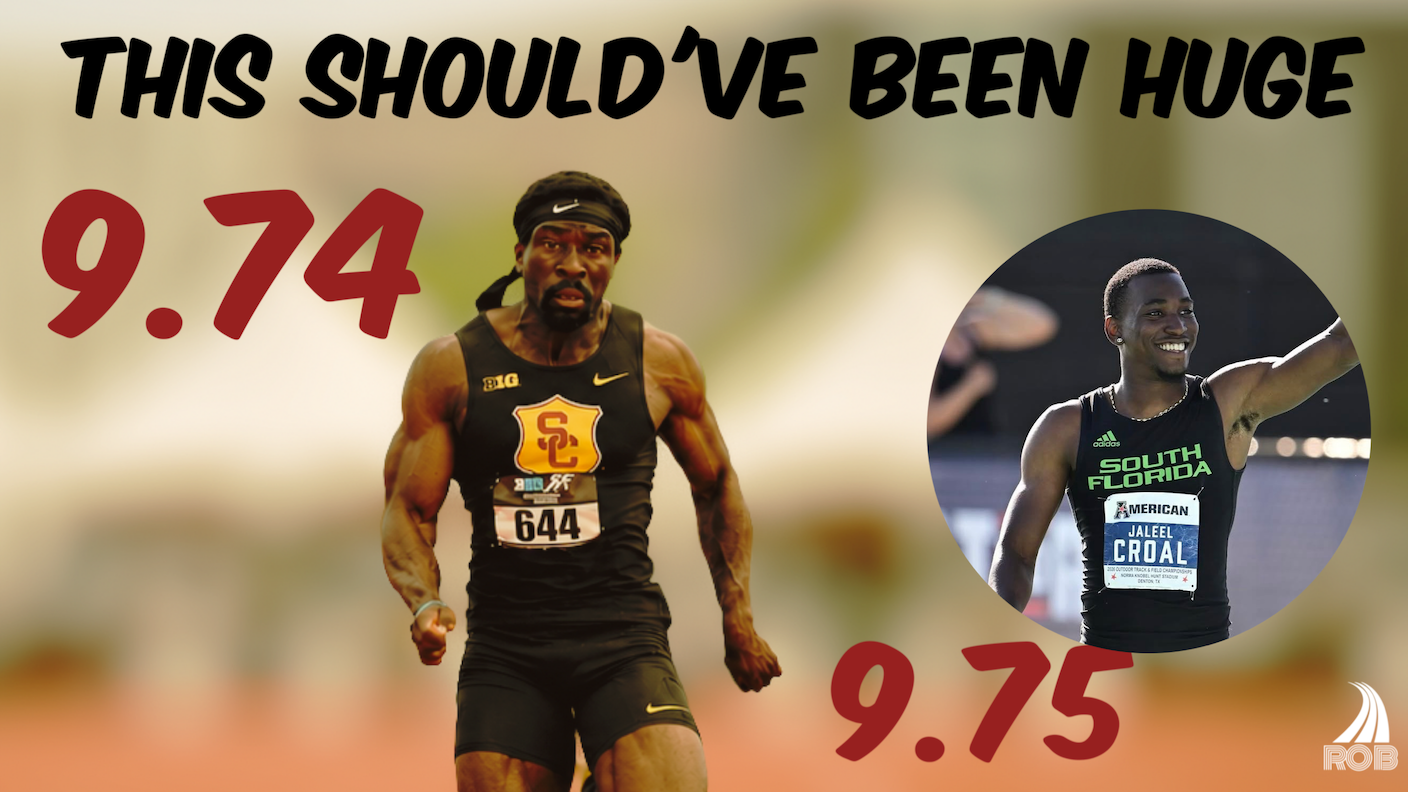
NCAA track and field continues to produce world-class performances, from Jaleel Croal’s 9.75 and Eddie Nketia’s 9.74 in the 100m to Jelani Watkins, Adaejah Hodge, Madison Whyte, and Brionna Selby delivering elite marks across conference championship weekend. Yet despite the talent level, the NCAA postseason structure struggles to create meaningful national narratives, clear team stakes, or a television-friendly championship product. This article breaks down why the current NCAA regional and national qualifying system limits fan engagement, how conference championships have become disconnected from the broader title race, and proposes a new 16-team regional playoff model built around automatic bids, TFRI rankings, and “win-and-you’re-in” qualification logic similar to March Madness. The result is a proposed NCAA track and field championship structure designed to increase fan interest, improve storytelling, strengthen conference relevance, reduce travel costs, and help the sport generate greater long-term revenue and visibility.

College track & field is loaded with talent, yet structurally broken. From missing schedules to meaningless regular-season meets, program underfunding, NIL inequality, and a collapsing fan base, here’s why NCAA track is struggling — and what must change.

College track and field programs are at serious risk as NCAA Division I shifts toward revenue sharing, primarily benefiting football and basketball. With schools cutting budgets and Olympic sports offering little financial return, track and field teams are often the first to face defunding or elimination.

After the NCAA’s landmark revenue sharing settlement, the future for college track and field is uncertain. How will rising football budgets, and added financial pressure impact opportunities within the sport? Unfortunately, the impact seems like it will do more harm than good to the sport.
The SEC Indoor MEET showcased why the conference dominates NCAA track and field, with Olympians and top-tier recruits battling for titles. Despite attracting the nation’s fastest high school athletes, freshmen struggle to make an immediate impact in this ultra-competitive environment.

College sports is at a turning point as NIL deals and revenue-sharing blur the line between amateur and professional athletics. With financial pressures threatening non-revenue sports, a professional model—where athletes receive salaries, sign contracts, and enter free agency—may ironically be the only way to sustain programs like track and field.
The NCAA transfer portal and new eligibility rules are reshaping college track and field, making it harder for high school athletes to secure Division I scholarships. With coaches increasingly incentivized to pursue transfers, high school aged recruits will have to work even harder to stand out.

NIL is redefining athlete sponsorship, but it has had a unique impact on track and field. Elite athletes like Quincy Wilson now have new financial opportunities. But the impact for the majority of college track athletes is much more limited.

The new NCAA revenue share model puts pressure on track and field to change. With reduced roster sizes coming in 2025 a new competitive model seems necessary. A revamped model that streamlines meets and emphasizes team success could potentially attract tv coverage, appeal to new fans, and save programs that are at risk of elimination.

College track and field is facing an existential crisis, with shrinking budgets, reduced scholarships, and program eliminations threatening its future. According to the USTFCCCA CEO, the sport must innovate or risk elimination.
College Track and Field
NCAA track and field continues to produce world-class performances, from Jaleel Croal’s 9.75 and Eddie Nketia’s 9.74 in the 100m to Jelani Watkins, Adaejah Hodge, Madison Whyte, and Brionna Selby delivering elite marks across conference championship weekend. Yet despite the talent level, the NCAA postseason structure struggles to create meaningful national narratives, clear team stakes, or a television-friendly championship product. This article breaks down why the current NCAA regional and national qualifying system limits fan engagement, how conference championships have become disconnected from the broader title race, and proposes a new 16-team regional playoff model built around automatic bids, TFRI rankings, and “win-and-you’re-in” qualification logic similar to March Madness. The result is a proposed NCAA track and field championship structure designed to increase fan interest, improve storytelling, strengthen conference relevance, reduce travel costs, and help the sport generate greater long-term revenue and visibility.
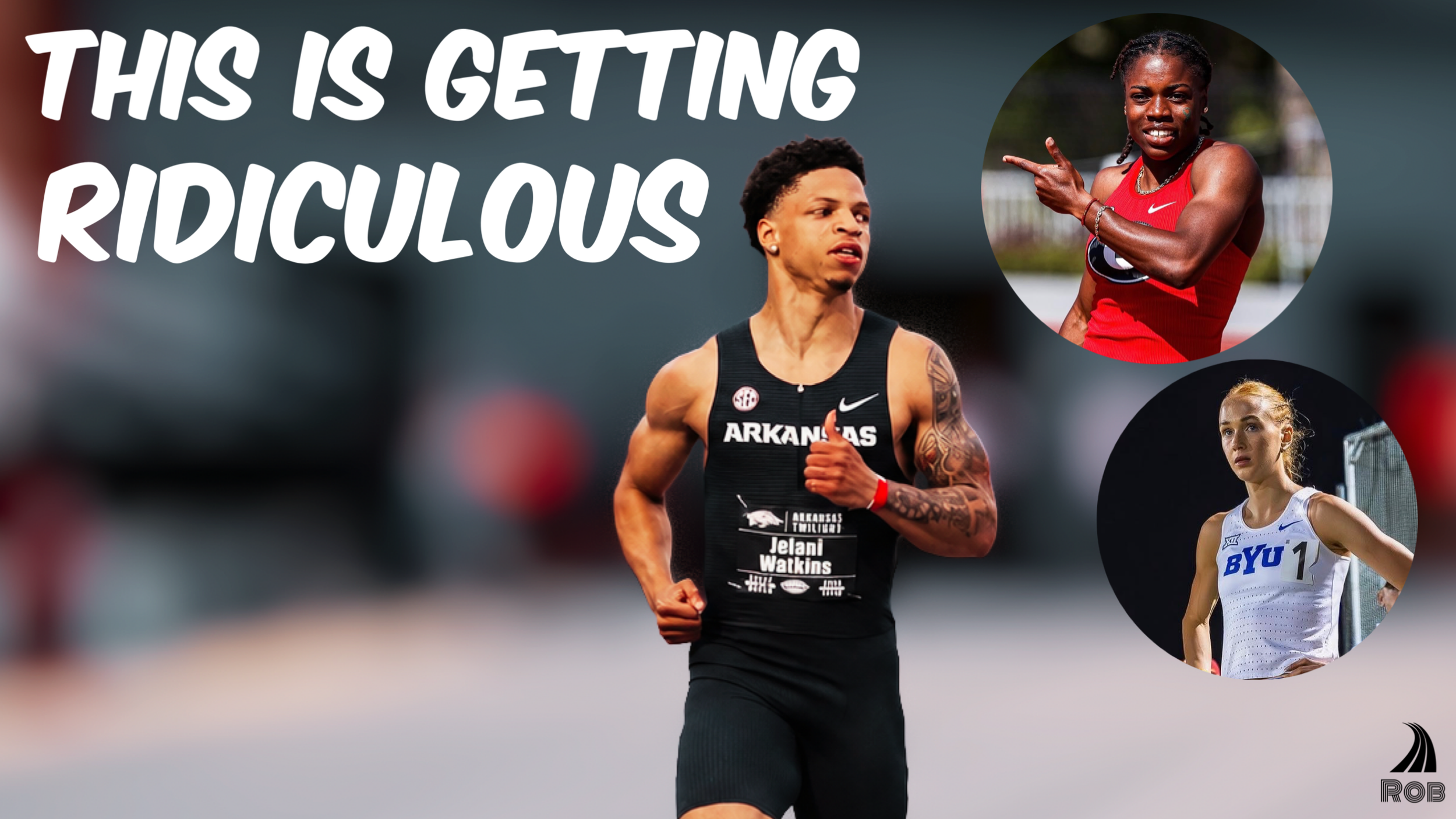
Keep track of everything going on at the 2026 outdoor conference championships, all around D1. Remember that it is incredibly hard to win a championship anywhere in the NCAA, no matter what conference you are competing in.
College track & field is loaded with talent, yet structurally broken. From missing schedules to meaningless regular-season meets, program underfunding, NIL inequality, and a collapsing fan base, here’s why NCAA track is struggling — and what must change.

Quincy Wilson and Tate Taylor headline the Class of 2026 as SCArecruiting.com breaks down the top boys high school track and field recruits, NIL impact, and NCAA changes.
After the NCAA’s landmark revenue sharing settlement, the future for college track and field is uncertain. How will rising football budgets, and added financial pressure impact opportunities within the sport? Unfortunately, the impact seems like it will do more harm than good to the sport.
The SEC Indoor MEET showcased why the conference dominates NCAA track and field, with Olympians and top-tier recruits battling for titles. Despite attracting the nation’s fastest high school athletes, freshmen struggle to make an immediate impact in this ultra-competitive environment.

Keep track of everything going on at the 2025 indoor conference championships, all around D1. Remember that it is incredibly hard to win a championship anywhere in the NCAA, no matter what conference you are competing in.
The NCAA transfer portal and new eligibility rules are reshaping college track and field, making it harder for high school athletes to secure Division I scholarships. With coaches increasingly incentivized to pursue transfers, high school aged recruits will have to work even harder to stand out.

The Florida Gators dominate Division I men’s track and field with multiple national titles, but D2 Pittsburgh State and D3 UW-La Crosse could challenge their supremacy. By comparing top performances across NCAA divisions, this analysis suggests that depth across all events—not just elite individual talent—defines the best college track and field team.
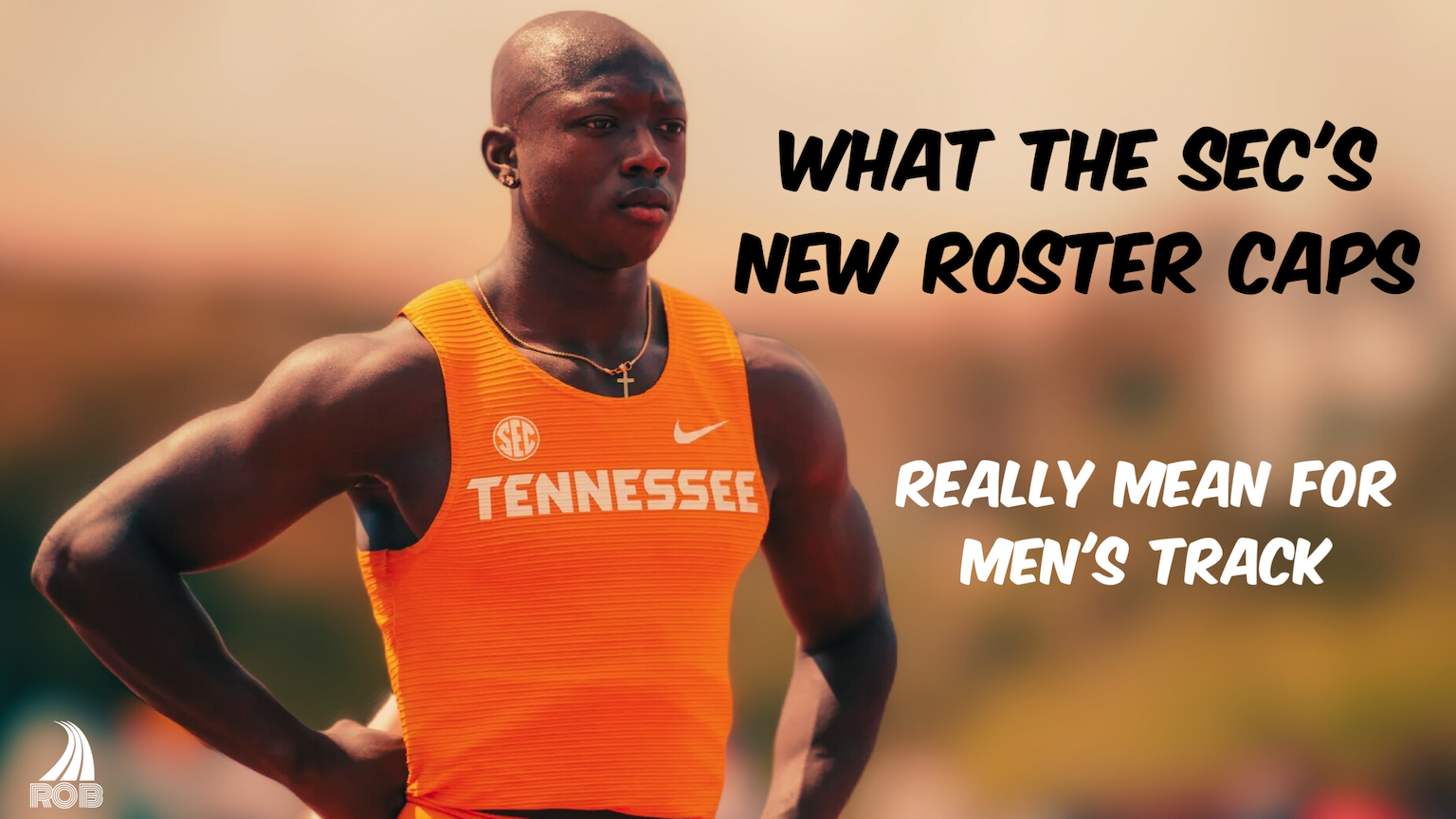
The SEC’s new roster cap for men’s track and field is set to reshape the landscape of the the sport. Reducing roster sizes could lead to a redistribution of talent across NCAA programs, creating new opportunities for smaller schools while shifting the dynamics of college track and field.
High School Track and Field
Quincy Wilson and Tate Taylor headline the Class of 2026 as SCArecruiting.com breaks down the top boys high school track and field recruits, NIL impact, and NCAA changes.
NIL is redefining athlete sponsorship, but it has had a unique impact on track and field. Elite athletes like Quincy Wilson now have new financial opportunities. But the impact for the majority of college track athletes is much more limited.

Christian Miller, a standout high school sprinter, turned professional after running a world-leading 9.93-second 100m and finishing fifth at the 2024 U.S. Olympic Trials. Now signed with Puma, Miller faces a challenging road ahead as he competes against some of America’s best sprinters for a spot on Team USA in future Olympic Games.

Rylee Blade’s record-breaking win at the 2024 Woodbridge Cross Country Invitational solidified her status as a rising star in high school distance running, surpassing top-ranked competitors. Will she be the next breakout star at the NCAA level?

South African sprinter Bayanda Walaza won the sprint double at the 2024 World Junior Championships after winning an Olympic silver medal in the 4x100 meter relay. So he's not only one of the fastest teenagers in the world, but has the potential to dominate track and field in the future.

The truth is that Christian Miller is a true 5 star recruit, whom nobody really saw coming 4 years ago. He has a chance to dominate the junior level in 2024 while putting the NCAA on notice.

Midway through the year it is abundantly clear that USC’s women have the best recruiting class in the nation, by a lot. The Lady Trojans have been a sleeping giant in track and field for a while now. But clearly they are going all in on a national title.

The truth is that Tyreek Hill was a track and field phenom, who was literally on track to dominate the world. We never got to witness what he was truly capable of because he quit track and field.

This is a list of the top 10 boys recruits for the entire high school class of 2024. They are not the only 5 star recruits on the SCA Recruiting national list, but they are clearly the best heading into this season.

What really happens to the fastest high school boys in the 60 meter dash? Only one can run the fastest time in the nation every year, and high school is really just the start of any young sprinter’s career.
Pro Track and Field
Christian Miller, a standout high school sprinter, turned professional after running a world-leading 9.93-second 100m and finishing fifth at the 2024 U.S. Olympic Trials. Now signed with Puma, Miller faces a challenging road ahead as he competes against some of America’s best sprinters for a spot on Team USA in future Olympic Games.

The Athlos Track Meet in New York City redefined track and field by combining elite performances with entertainment elements like a live DJ, VIP seating, and a Megan Thee Stallion concert. It was a track meet unlike anything fans have ever seen, but is this approach sustainable for pro track and field?

Michael Johnson’s upcoming Grand Slam Track League aims to revolutionize professional track and field by offering higher prize money, focusing on rivalries, and engaging casual fans. With key athletes like Noah Lyles undecided, the league faces challenges but has the potential to reshape the sport’s future beyond the Olympics.

Mondo Duplantis, the world’s greatest pole vaulter, dominates due to his unmatched sprinting speed. Although he chose to focus on pole vaulting, his sprinting ability suggests he could have been one of the world’s top sprinters if he had pursued it.

Femke Bol has dominated the 400-meter hurdles, winning four consecutive Diamond League titles and multiple relay golds. However, an individual Olympic gold still eludes her. But her legacy should be unquestioned, even if she never wins Olympic gold.

Track and field shines during the Olympics but lacks visibility outside the Games. To keep the sport thriving, it needs better promotion and year-round engagement.

The only way to find an opponent for Bolt that is worthy of consideration, is to look outside of track and field entirely. LeBron James is the closest thing that exists in the modern era, and should be good enough to give Bolt a run for his money.

In 2021 at the Olympic 100 meter final Ronnie Baker was on the track. That makes him not just one of the fastest men in America, but one of the fastest men in the world.

In 2023 Talitha Diggs made team USA again, but ironically shw was actually supposed to be this good. She is the daughter of a 4 time Olympian, and the niece to another.

in 2016 Jarrion Lawson scored enough points to finish sixth in the entire NCAA, all by himself.
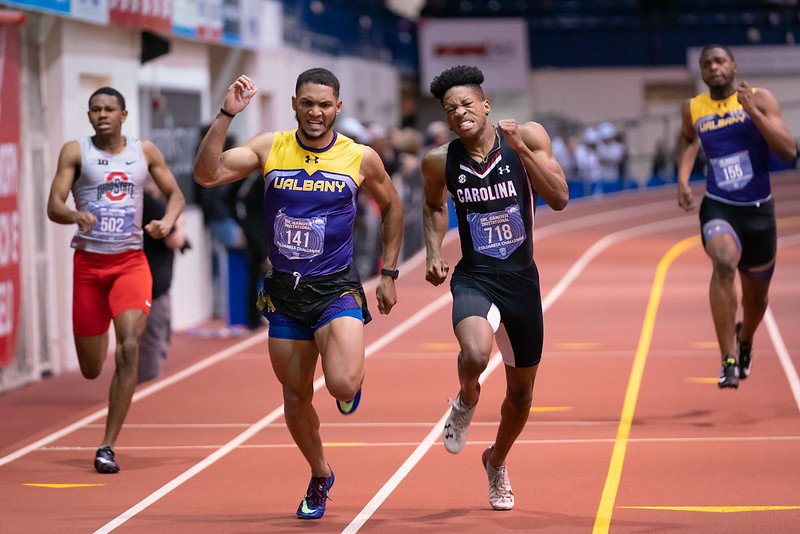
DON’T GO UNDER-RECRUITED!
Use my FREE recruitment guide to get templates, checklists, and answers to all of your recruiting questions.
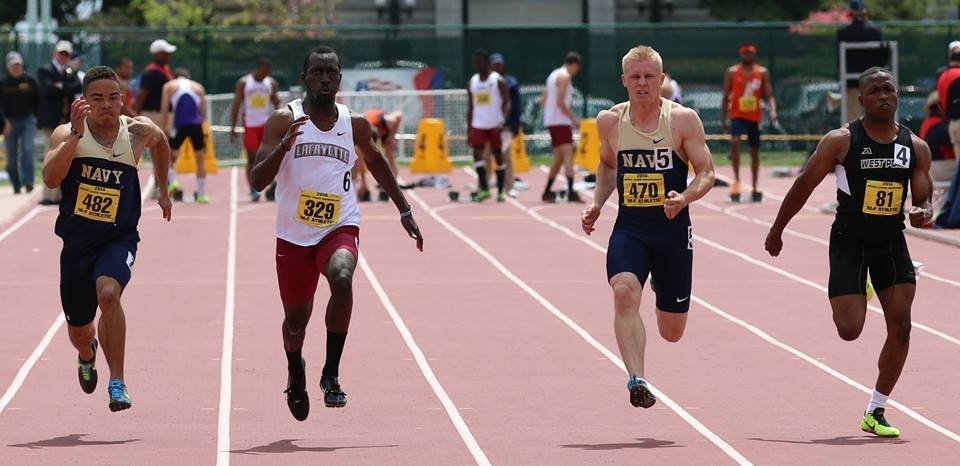
MEET WITH COACH ROB
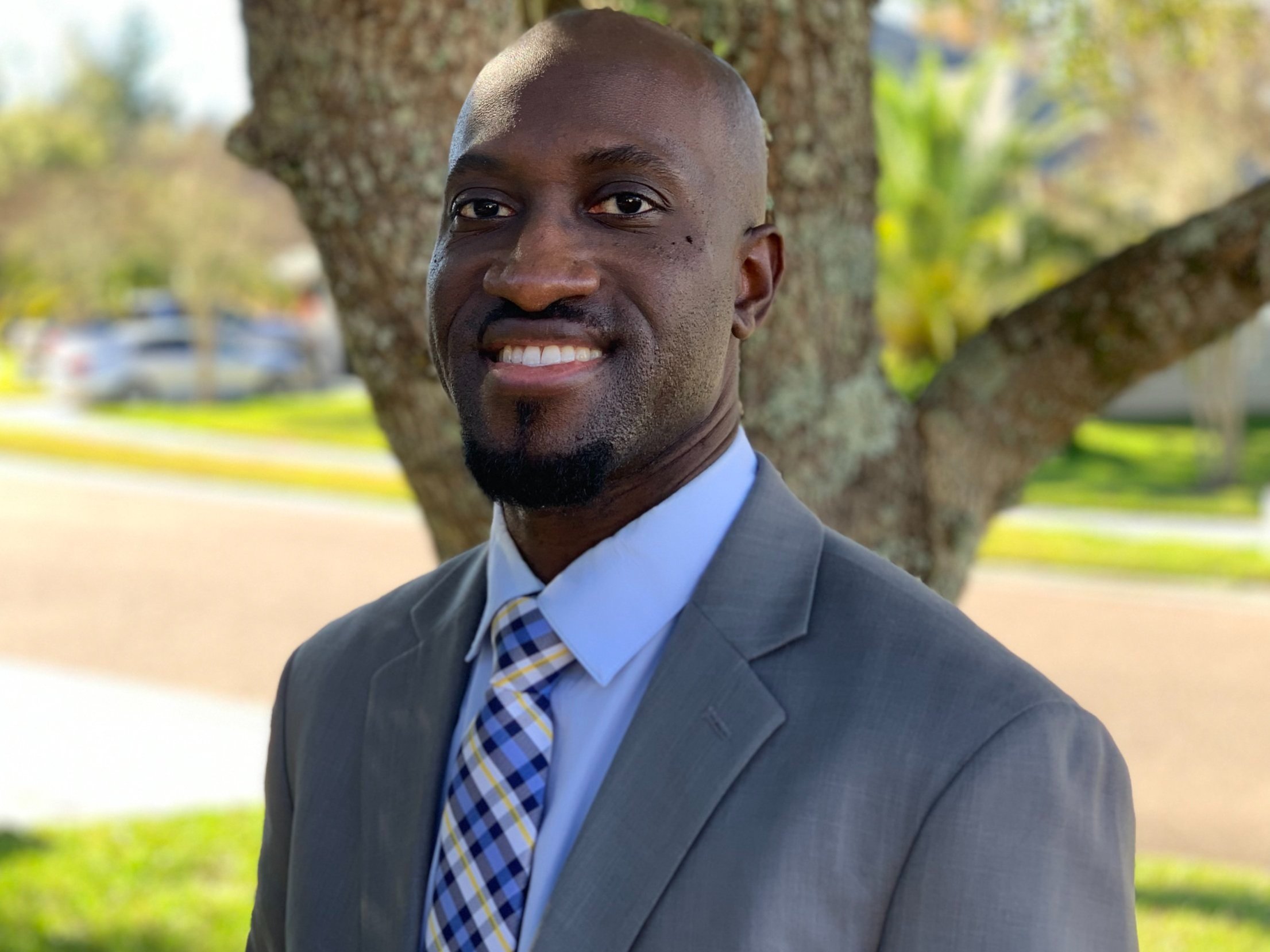
Book a ZOOM meeting with me, Coach Rob. The time is yours to get all of your recruiting questions answered. Do not go under-recruited, and you won’t if I can help it.